
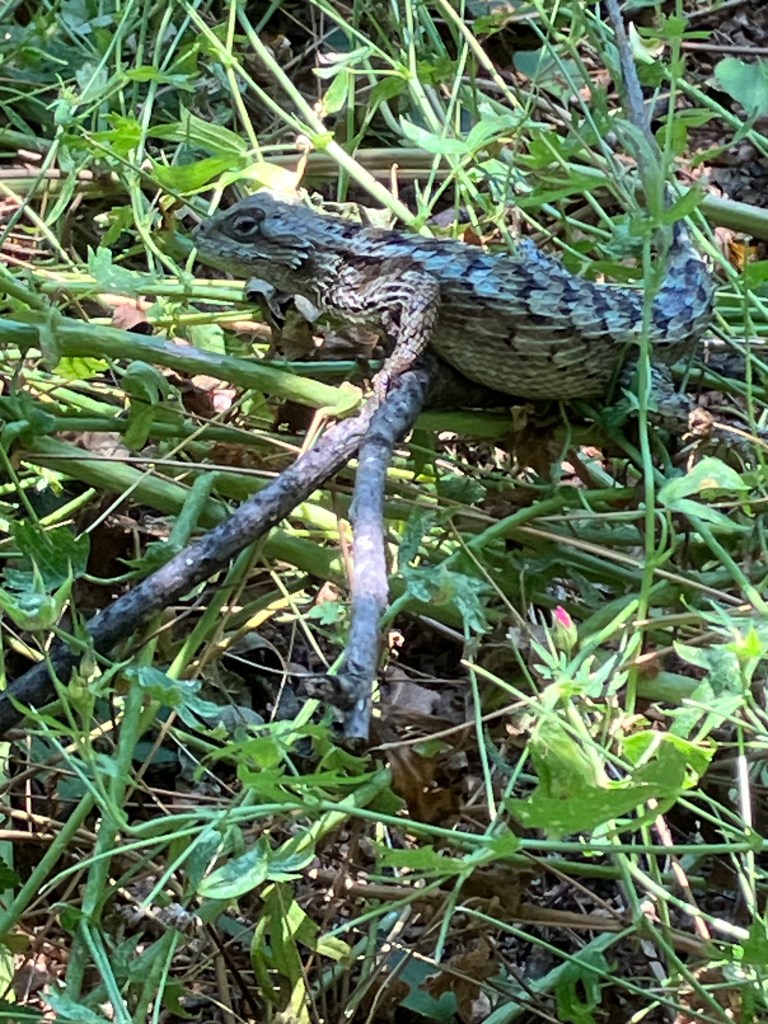
The other living creatures that share our yards do not have respite from extreme heat, and they are potentially in distress. https://www.npr.org/2023/06/29/1185092056/squirrels-splooting-heat-wave-climate-change. Sharing water with struggling wildlife is especially important right now.
Different species have, however, different water requirements and safety concerns. For example, Monarchs benefit not only from insect-safe watering dishes with stones (to prevent drowning), but also from puddling areas. https://www.nwf.org/-/media/Documents/PDFs/Garden-for-Wildlife/Tip-Sheets/Water-Butterfly-Gardens. Garden-friendly toads benefit from mini-pools placed near a “toad abode.” https://www.nwf.org/Magazines/National-Wildlife/2006/Backyard-Houses-for-Toads. Noting that bats, swifts, swallows and nighthawks must all drink in flight over increasingly scarce open water, Bat Conservation International provides guidance for providing water troughs with wildlife escape structures: https://www.batcon.org/wp-content/uploads/bciwaterforwildlife.pdf.
Non-hazardous sanitation and mosquito control are also essential: https://www.audubon.org/news/why-you-should-keep-your-birdbath-clean.
 North Loop Neighborhood Association