
Many of us weren’t taught much about food storage or how to turn leftovers into meals. These “home ec” skills are, however, relevant to climate change—particularly in the aggregate. If you eat meat and plan to serve turkey this Thanksgiving, please consider using every part of the bird. Beyond giblets, the carved-up turkey can still yield many cups of meat. Recipes for “turkey frame” or “turkey carcass” soup abound online. Rotisserie chicken frames can be used similarly for stock. Produce can be kept longer in the fridge by using specialized containers. https://www.oxo.com/shop/kitchenware/food-containers/green-saver.html. There are even whole fridge solutions. https://vitesy.com/shelfy. A lot of food lasts longer than you might expect anyhow. https://www.stilltasty.com/.
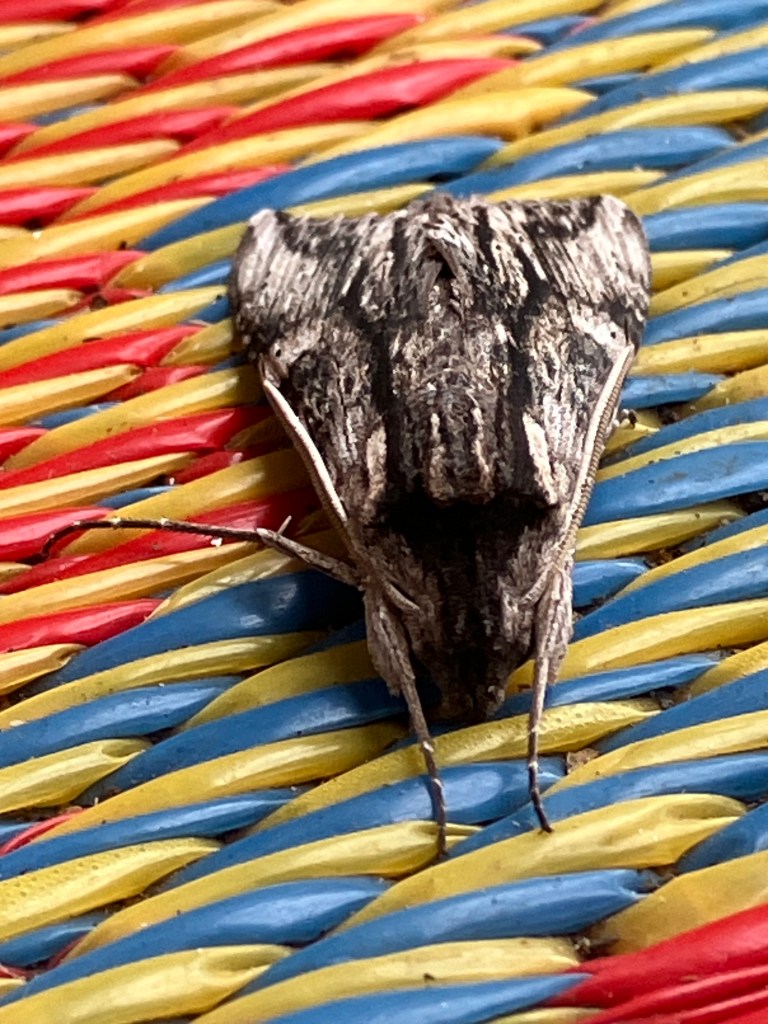
A less appreciated form of autumn bounty is fallen leaves. We are in a broken cycle with our yards, endlessly stripping them of the long-term nourishment of decaying organic matter–and then later pumping them full of potentially polluting pesticides and fertilizers to overcompensate for the imbalance. The Xerces Society for Invertebrate Conservation reminds us that: “Leaves are habitat, not trash.” To support wildlife (like the moth in this month’s photo) this fall, they recommend that we: 1) “Leave the leaves, or move them just a bit;” 2) avoid shredding leaves (so as not to destroy eggs, caterpillars and cocoons); 3) turn fallen logs and branches into brush pile habitat; 4) leave soil undisturbed (so as not to destroy native bee nests); and 5) wait until spring to prune the stems of perennial plants. https://xerces.org/blog/leave-the-leaves
 North Loop Neighborhood Association