
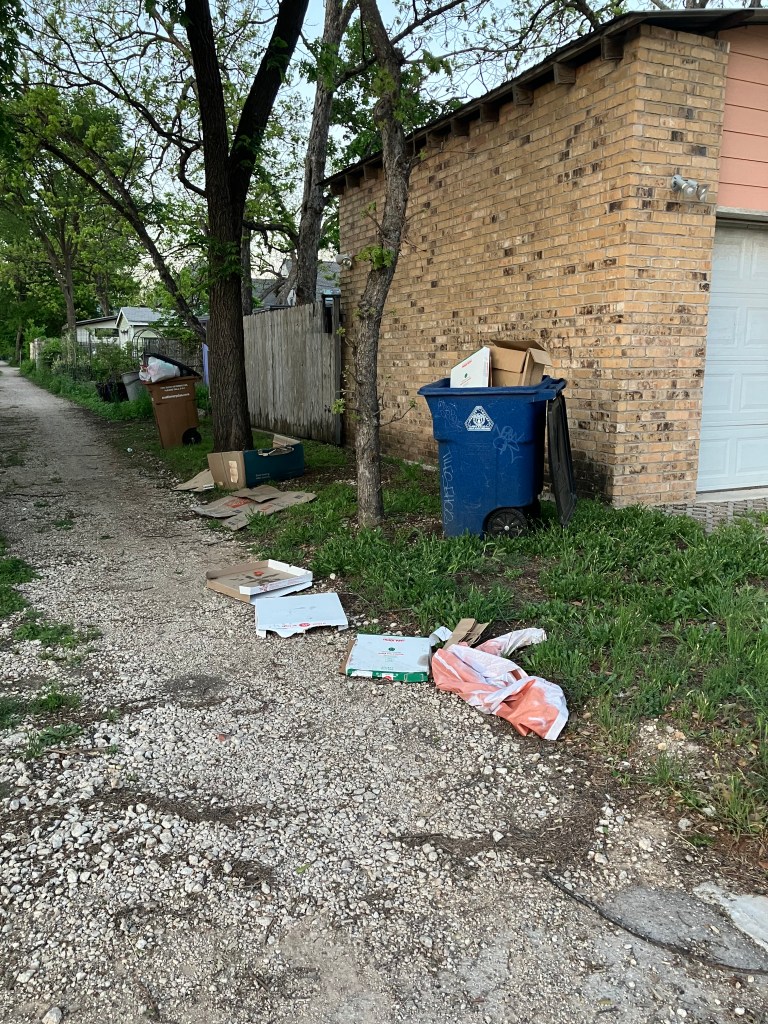
There is so much going on in your urban wildlife habitat right now, and so many ways to help our fellow creatures. Monarch butterflies have had a belated and beleaguered migration, so we can support them by reducing our pesticide use and providing nectar flowers. Migrating birds still need us to prevent light pollution from interfering with their navigation by turning off non-essential lighting between the hours of 11pm and 6am daily. Spent mushroom blocks from local farms (available at Bruning Green,) can be broken up and dispersed on our yards to enrich our soil. Trees would benefit if you left their leaves, and invertebrates could also use that plant matter to overwinter when the temperatures finally drop. But there is something else going on, too: local wildlife is working hard preparing for winter. Squirrels are fattening up, and underappreciated pest-eating opossums need to find dry dens. As we live near Waller Creek in a densely populated neighborhood full of mature pecan trees and alleys (with overflowing trash and recycle bins), we also have lots of urban rat activity.
Now is the time to properly seal up our homes before we have unwanted incursions of wildlife just doing their best to survive the winter. Internal and external gaps and holes (such as around our roofs, crawl space vents and utility connections) can be filled as a do-it-yourself project. https://www.cdc.gov/healthy-pets/rodent-control/seal-up.html There are also non-toxic repellants.https://humanepro.org/sites/default/files/documents/Reducing%20conflicts%20with%20rats%20and%20mice_FNL.pdf Some pest control companies are willing to offer rodent exclusions à la carte, while others want ongoing treatment contracts. One thing to consider, however, is that rats are a critical part of nature’s food chain. Bait poisoning rodents results not only in their agonizing death, but also means that every domestic and wild animal that consumes them is also ingesting that poison.Glue traps are indiscriminate and painful too. Please be an ethical steward by excluding and repelling rodents as a first step, carefully using snap or electronic traps only as a last resort during an active infestation. It is important to note that sealing may need to be repeated if home repairs or renovations displace mesh, wire, foam or other barriers. Some rodent control providers recommend re-inspecting whenever new work is done on a previously sealed home. Alternatively, consider asking repair personnel to provide pictures after their work showing that they properly replaced all rodent exclusion measures.
 North Loop Neighborhood Association