
The “Northfield” Neighborhood
In 1940, the area that we now call North Loop was mostly empty space. On what is now Koenig Avenue, there was a small airport operated by “Doc” Haile. There was an orchard to the south. And there were just a few houses scattered about. During World War II, apparently there was some G. I. training at the Haile Airport, but other than that, there was little activity in our neighborhood. It was, effectively, open country outside of Austin. Ridgetop was a community separate from Austin (with their own school), and Fiskville was the last stop on the railroad before Austin.
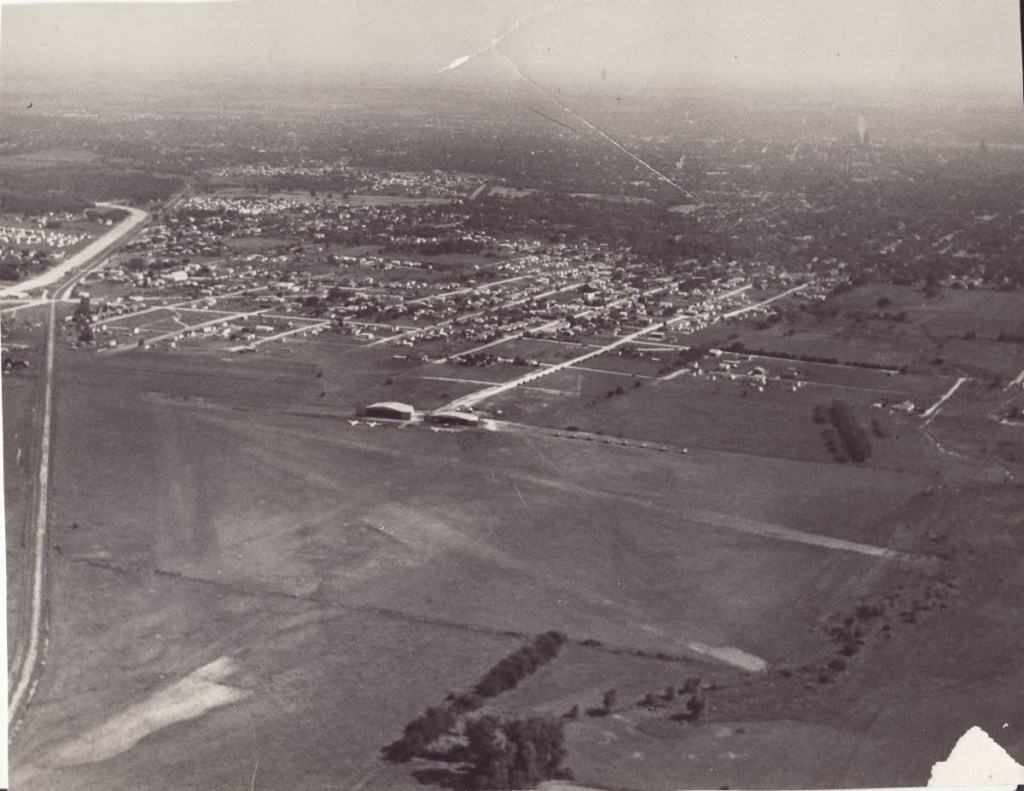
This aerial view taken above “Doc Haile’s Airfield” must have been taken in the late 1930s. Railroad tracks run down the left side of the picture, and Avenue F simply ends at the Airfield. The diagonal street that connected 53rd with North Loop was still visible, and none of Dr. Koenig’s land along Waller Creek had been developed yet. (Although there does appear to be a small orchard and a large building where Chesterfield Avenue ends at what is now Nelray.)
Most of the neighborhood – originally known as “Northfield” – was built during the years immediately following World War II. After the war, soldiers were returning to the U.S. and starting families, and many thousands of them were also taking advantage of the G. I. Bill which gave soldiers money to help them pursue a college education. In Austin, this created a very sudden, overwhelming demand for affordable family housing near the University of Texas. Open land beyond the old suburbs like Hyde Park was quickly developed with very inexpensive, small houses; developers like J. S. Whitney advertised affordable lots in Murray Place and the Northfield Addition that could be had for as little as $150. The typical design for these houses was an 800 square foot floor-plan featuring 2 bedrooms and one bathroom.
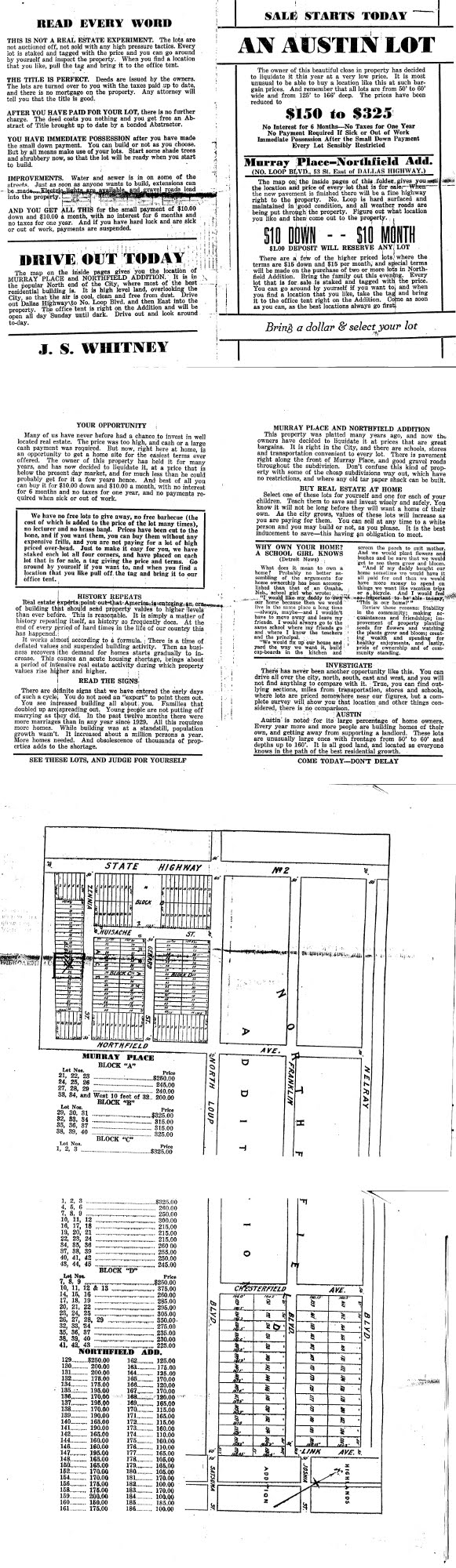
Developers like J.S. Whitney placed flyers like this on car windshields to encourage people to come out and put “one dollar down” on a lot east of Dallas Highway (now Lamar).
The hasty construction style left a lot to be desired. Cedar posts were gathered from the area, and were used as the foundations for the houses — cut to length with the bark still on, they were usually only set about six inches into the ground. Then, a framework of beams was nailed together on top of the cedar posts. Directly on those beams, an oak tongue-and-groove floor was nailed from one edge of the house to the other — there usually was no sub-floor. Then the floor would be covered in tar paper to protect the finish. On top of that, walls were built, then the roof. When the building was finished, the tar paper was ripped up from inside the house, revealing the wooden floor.
Fortunately, the quality of the materials available at that time was remarkable. Even without a sub-floor, the oak floors in most houses have held up for over 60 years. The old-growth pine used for the walls was often so hard you could barely drive a nail into it. And the lap-board used for decking on most roofs was straight and strong. Despite poor construction techniques, most of the houses in the Northfield neighborhood have held together very well for 60 years, and could probably last another 60 years with proper care and maintenance.
With the Haile Airport on the north edge of the neighborhood and the Austin Air Service operating out of a field to the east, planes were flying over Northfield long before it was a neighborhood. However, as Austin grew, and as the size of jets grew, the air noise became more and more of a problem. Haile Airport closed in 1948, shortly after most of the houses in our neighborhood were built. But Mueller Airport, which opened in 1930, became bigger and busier.
The area around Northfield went through some rapid changes, mostly thanks to the automobile. People regularly drove out the Dallas Highway (now called Lamar) to enjoy restaurants and take in a movie at the new invention — the Drive In Theater.

Click here or scan this QR code to view pictures and documents about the North Loop business district, courtesy of the NLNA History Committee.

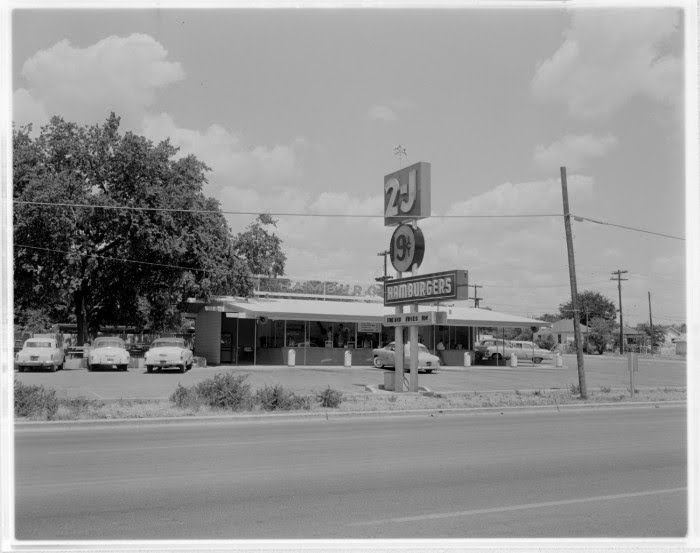
Road-houses like 2Js, The Stallion, and The Chicken Shack lined what was then called the Dallas Highway north of town (also known as “Georgetown Road”). Driving out of town on the highway, 2Js Hamburgers (home of the 19-cent burger!) was at 42nd Street, the Chicken Shack was at North Loop, and The Stallion was just south of Koenig, conveniently located right across the street from the Chief Drive-In Theater.
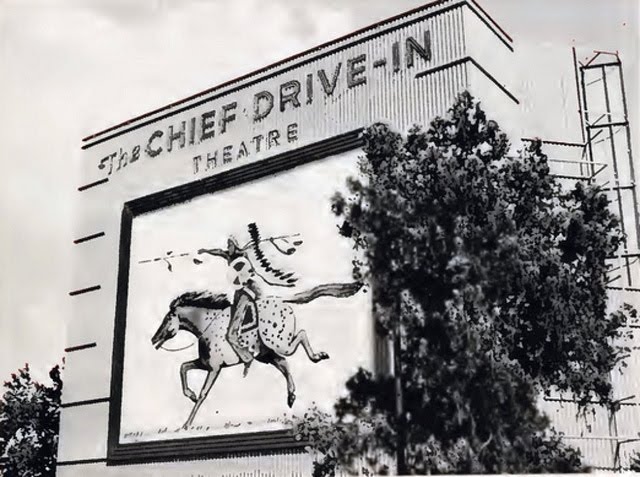
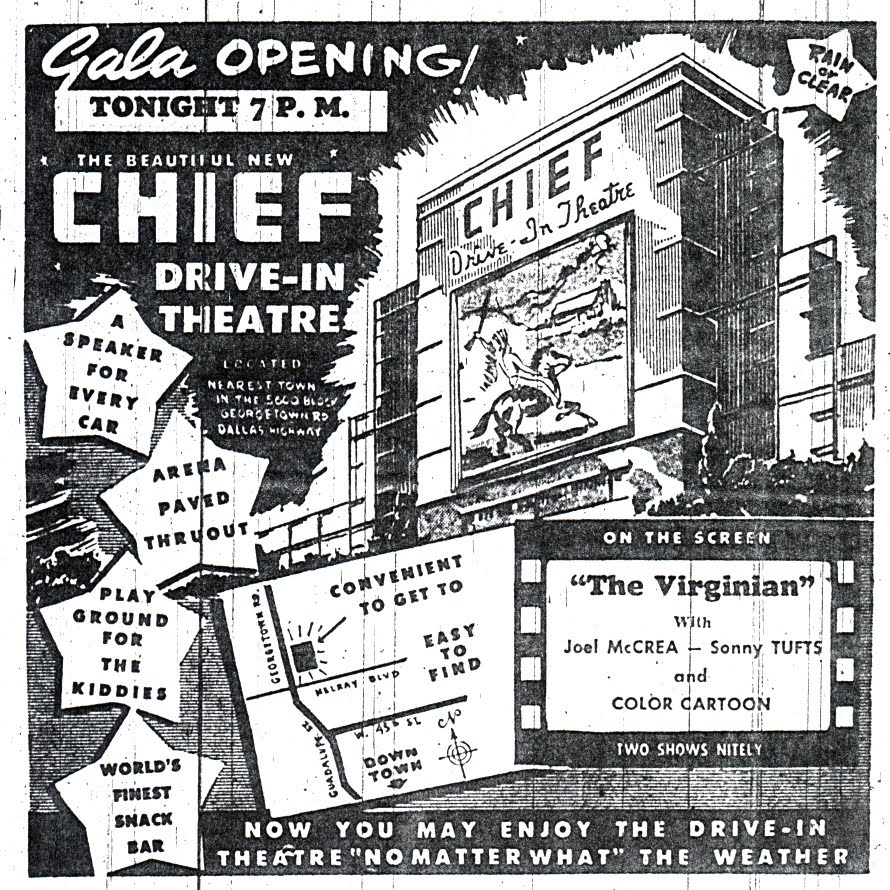
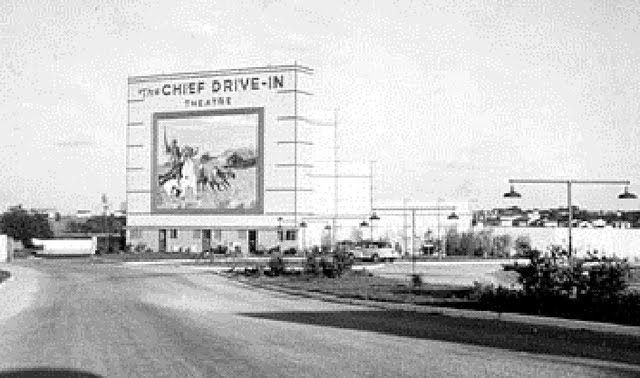
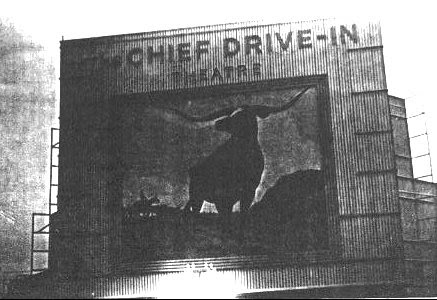
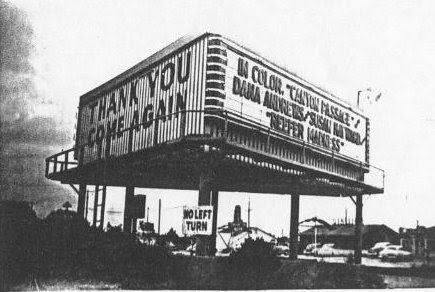
The Chief Drive-In advertised Color Movies in All Weather. The “Gala” opening of the theater featured a showing of “The Virginian,” which was released in 1946, along with a “color cartoon!” In later years, a small train circled the drive-in, and children could take the train to the playground.

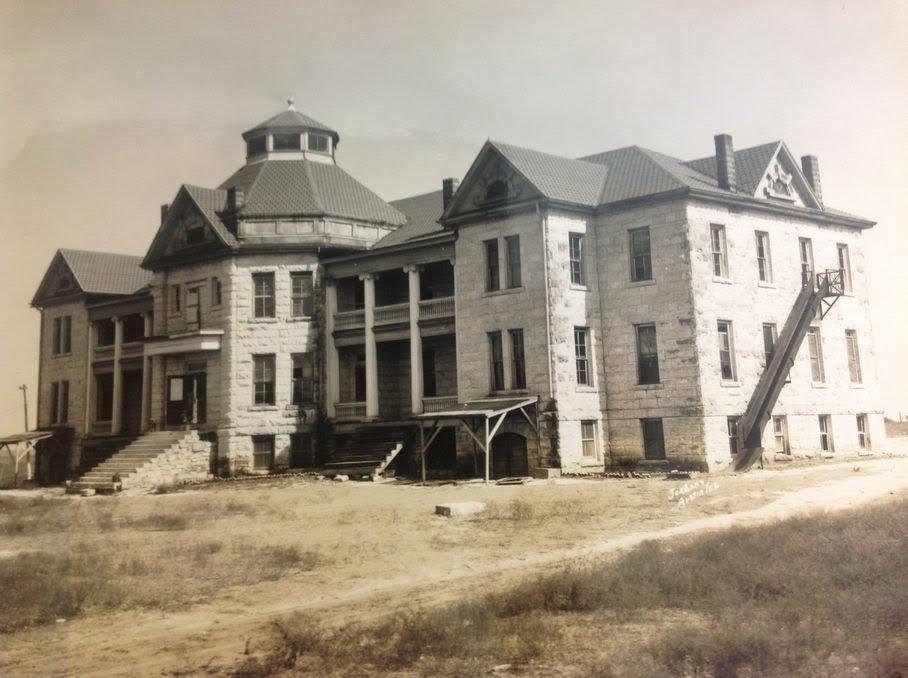
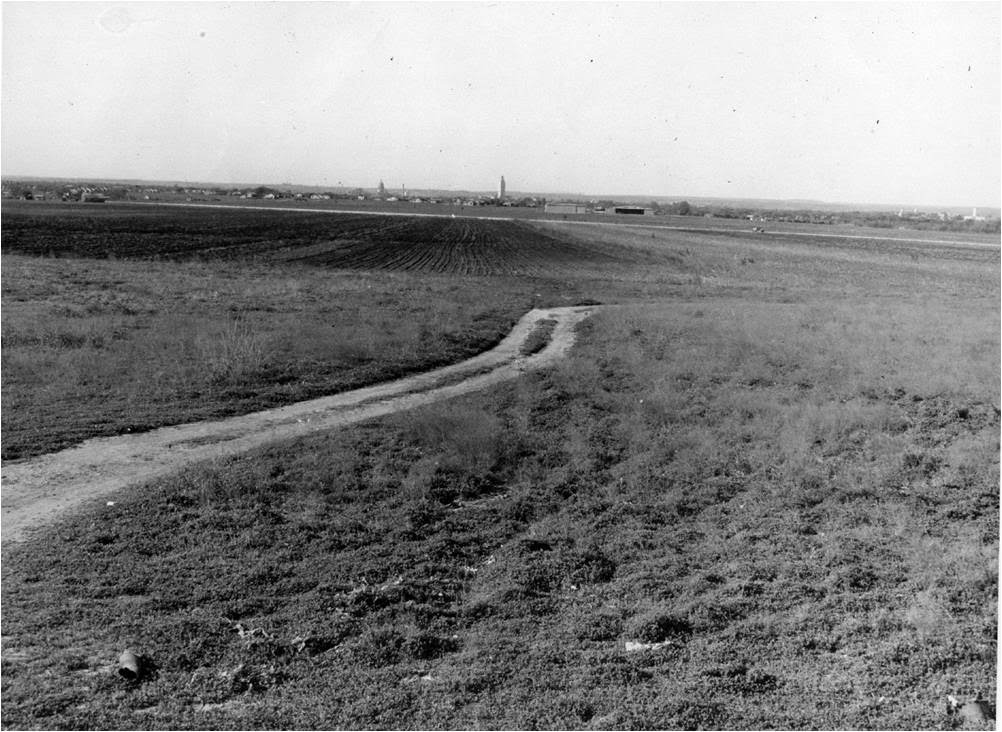
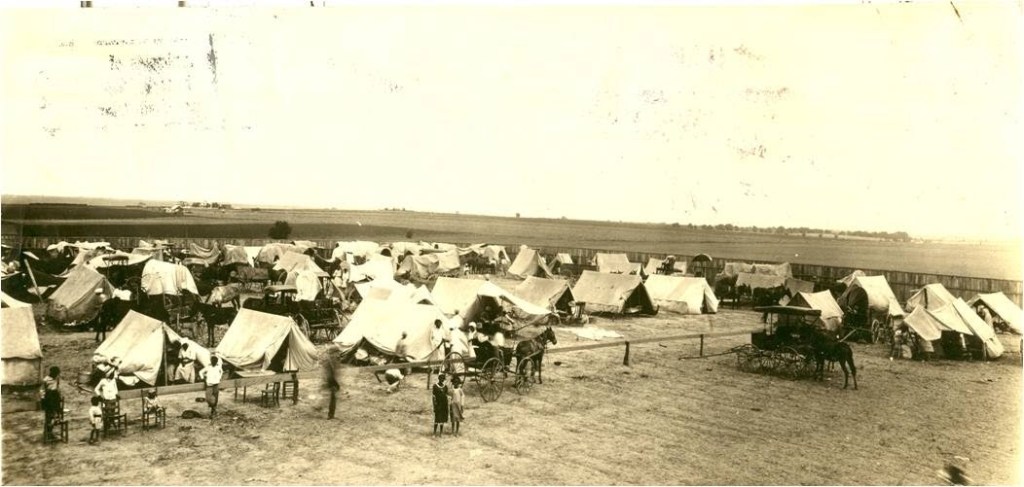
It is also worth noting that neighbors claim that the Orphanage and community graveyard was located at the top of the hill where St. Johns Street and I-35 cross. Supposedly graves were discovered when the highway and nearby businesses were built in the 1960s, but nothing was done about it.
1950s and 1960s – The New Suburban Lifestyle
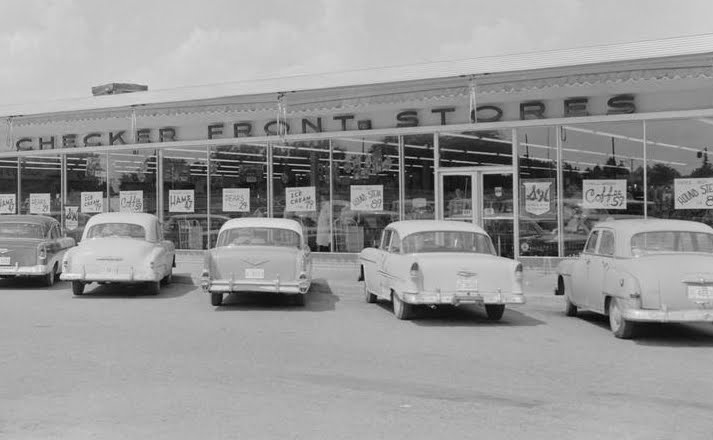
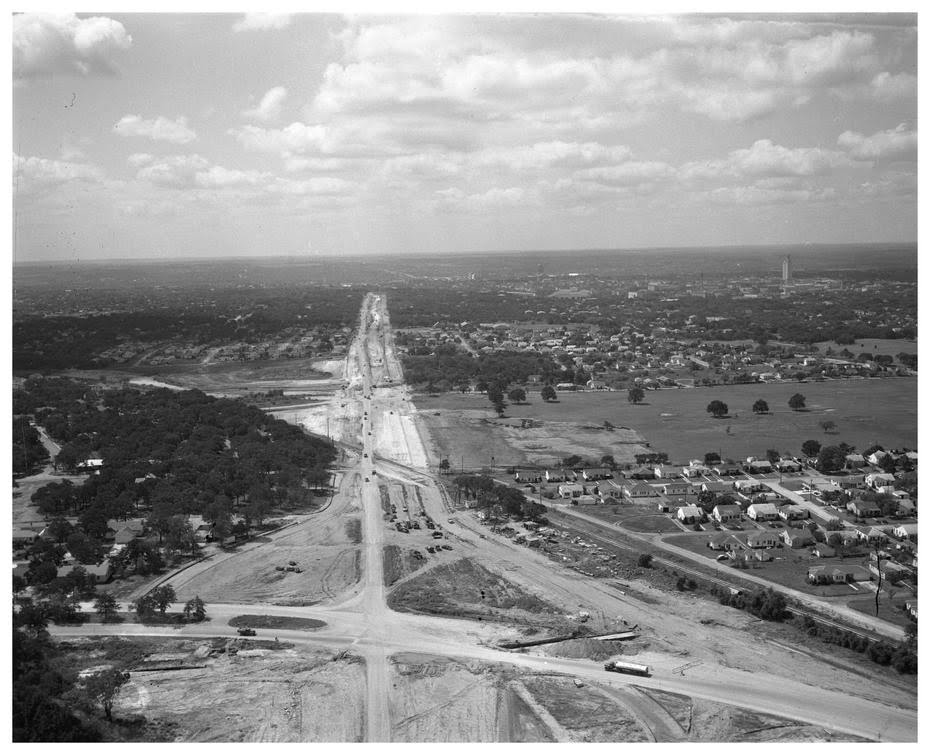
As the baby-boom generation came of age, Austin grew to the suburbs north of town. People moved out of the city and enjoyed a lifestyle made possible by the automobile. In the 1960s, the wide boulevard east of town known as East Avenue was torn up to make way for the new Interstate Highway 35. A golf course owned by the Hancock family became a shopping center. The strip-mall with the grocery store anchor became the standard form of commercial development, and the indoor shopping mall became the best way to escape the Texas heat.


1970s-1980s
As the neighborhood filled-out, it attracted memorable restaurants and businesses. One such institution was “Scampi’s Organ Palace.” Scampi’s was located at the southeast corner of Koenig and Lamar (the same lot currently occupied by the Goodwill / Half-Price Books strip center). For entertainment, Scampi’s featured magicians, jugglers, comedians, flashing lights, balloons, bubbles, a cymbal monkey named Scampi. Scampi’s centerpiece was a huge Mighty Morton theatre pipe organ, and patrons were treated to regular organ interludes as they enjoyed their pizza.
Long-term residents have fond memories of Scampi’s and reminisce about the pizzeria (and the monkey) to this day.

The aftermath of a tornado that touched down in Mueller Airport in 1980.
“The Remnants of Tenements and Shacks of the Flight Path”
By the time Mueller was closed in 1999, full-sized jets were landing or taking off up to ten times an hour from 6:00 a.m. to 10:00 p.m. every day. The noise from the jets made Northfield a fairly undesirable neighborhood for more affluent Austinites. Even with it’s ideal geographic location just 3 miles from U.T. and 5 miles from the heart of downtown, much of the “flightpath” neighborhood was shunned by home-buyers.
At the time, the Austin Chronicle described the flightpath as “remnants of tenements and shacks” (vol18/issue26), and said that anything that happened in our neighborhood was bound to be an improvement. The Chronicle writer went on to say that “nobody is really interested in tying the market’s hands,” suggesting that a bull-dozer and large-scale redevelopment would lead to a dramatic improvement.
While many of the houses were suffering from some neglect as low-cost rental properties, the houses were diamonds in the rough, the huge trees and big yards were a real attraction, and most of all, the flavor of the neighborhood was pure Austin — funky, eclectic, and very relaxed. At that time, the average length of time for a house in our neighborhood to remain on the market was less than a week.
Keepin’ It Weird in North Loop
The rest, as they say, is history. Austin continued to grow, doubling in size every 15 years. The suburbs of the 1950s became part of the urban core. Suburban-style shopping like Highland Mall and Hancock Center thrived and then decayed. The Drive-In theater became a relic of the past, and the Chief became an office park. The Chicken Shack became a vacuum cleaner store, and then a Taco Cabana. The Mueller Airport became the Mueller neighborhood, and Northfield came out of the “flight-path” and became North Loop: the trendiest, coolest place to live in all of Austin.
Read more about these important changes in our old Neighborhood Newsletters of 1999 to 2011, provided by the North Loop Neighborhood Association History Committee.
As the North Loop neighborhood very rapidly increased in value and prestige, some big changes started to happen. Some houses were fixed up and restored. Many houses were expanded with additions or garage apartments. Other houses were torn down and replaced. Small, independent businesses thrived. Many affluent residents moved in and began investing in the neighborhood. However, unfortunately, that meant that many low-income residents found they could no longer afford to live in the area.
As we look forward to a new era in the old flightpath, the North Loop Neighborhood Association works to improve the neighborhood and the quality of life in our area while simultaneously preserving our funky, relaxed little neighborhood in the heart of Austin. We want to remain a haven for small, independent businesses and our thriving food scene, maintain and grow our green spaces and parks like Bruning Green, and improve the quality of life of North Loop residents by improving access to bicycle and pedestrian paths, supporting sustainable and affordability-minded development, and advocating for safer, healthier streets by representing the interests of the neighborhood in major transportation transformation projects such as the I-35 expansion and Project Connect. We hope you’ll join us.





 North Loop Neighborhood Association