
As the State of Texas battles a new (formerly eradicated) pest with New World Screwworm (https://www.tahc.texas.gov/emergency/nws.html), we all also confront an old one: mosquitos. Beyond their itchy bites, some mosquito species can transmit serious diseases such as Zika Virus, Dengue Fever and West Nile Virus. https://www.austintexas.gov/health/mosquito Mosquito spraying, however, can kill struggling pollinators as collateral damage. Citing the findings of a recent study, the Xerces Society for Invertebrate Conservation described that: “All yards that were sprayed for mosquitoes by private companies had levels of pyrethroid insecticides high enough to kill bees or other beneficial insects, and 75% of samples from yards neighboring those sprayed by private companies had pyrethroid contamination. Pyrethroids are commonly used in residential mosquito sprays and are toxic to pollinators.” https://xerces.org/press/study-pesticide-sprays-for-mosquitos-may-kill-pollinators-drift-into-neighboring-yards
There can be greenwashing with these services and products. “Some products carry misleading advertising, saying they are designed to act like the natural toxin found in chrysanthemum flowers. But, these products are still harmful to a number of beneficial insects.” https://xerces.org/blog/mosquito-management-at-home Irresponsible physical application can also be a problem. This North Loop resident has personally observed spraying during: the dead of winter when no mosquito activity was present, an active Red Flag Fire Warning when high winds meant pesticide dispersal well beyond the client’s property boundaries, and a heavy downpour when the pesticide applied would immediately wash away into our shared watershed. When monthly contracts are involved, there is a potential incentive to regularly apply pesticides even when they are not actually necessary or appropriate at the time of application–and despite the consequences to non-consenting neighbors, critical pollinators and the local environment.
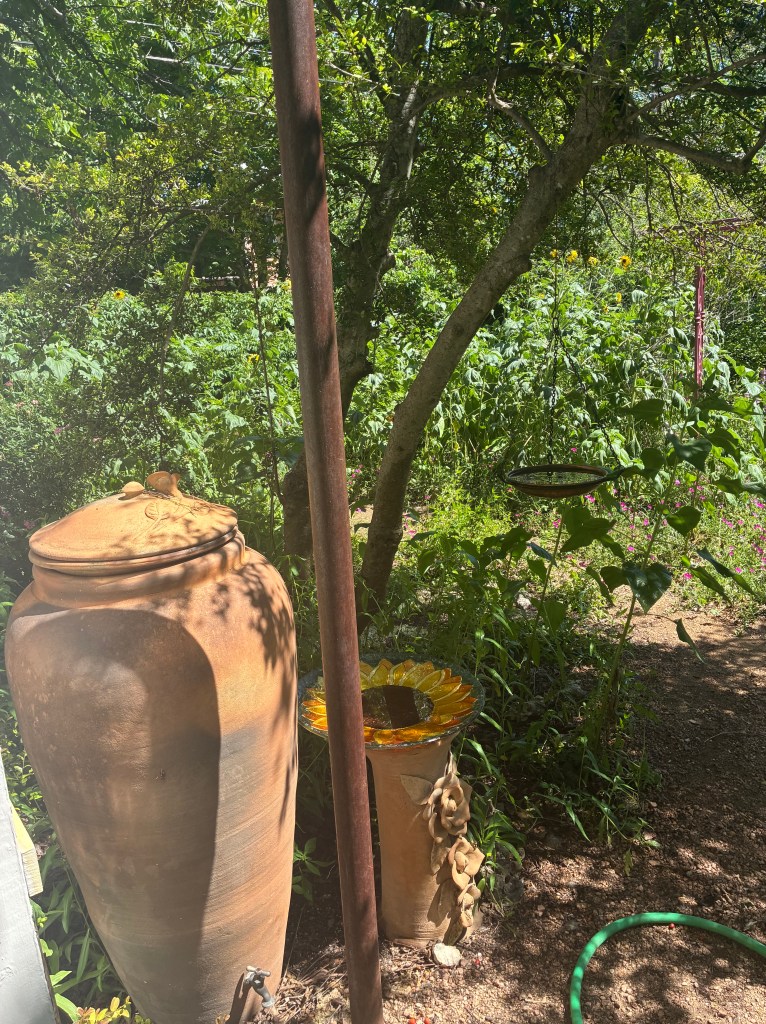
Many of us are not even out in our yards a whole lot now anyhow because we escape the summer heat indoors with air conditioning. A simple solution for when we do venture outdoors is to use a fan (plug-in or battery-operated) in the immediate area where you are enjoying your yard. Wearing light-colored clothing with sleeves, socks and pants tucked into shoes; responsibly using insect repellents (https://www.epa.gov/insect-repellents/what-insect-repellent); and avoiding high mosquito activity times such as dawn and dusk all help. If you provide water to birds to help them cope with the high summer temperatures, clean and refresh your bird baths regularly (particularly during these times of Avian Influenza). Eliminate standing water, maintain gutters and screen/treat rain barrels such as with mosquito dunks containing Bacillus thuringiensis. Please do not, however, use a “bug zapper.” As eloquently summarized in Wirecutter: “Bug zappers kill bugs by the thousands. But there’s a problem: They kill the wrong bugs. They are ineffective against mosquitoes and other biting flies, and their otherwise indiscriminate killing can disrupt pollination and generally throw the environment out of balance. Plus, the force of their electrocution can spew a mist of disease-ridden bug parts out into the air. All of the mosquito experts we spoke with and every relevant university extension office we could find unanimously condemned bug zappers.” https://www.nytimes.com/wirecutter/blog/do-bug-zappers-work/

